Staff review
Doom: The Dark Ages

7
Staff write-up
The Rev
There’s something deeply satisfying about games that strips away modern gaming excess and remembers the point is simply to have fun. The original Doom games changed everything. Before them, shooters felt stiff and primitive. Then suddenly you were sprinting through labyrinths at impossible speed, blasting demons into red mist while heavy metal melted your ears. They weren’t just violent for the sake of violence either. They were dangerous. Fast. Rebellious. Doom was counter culture along with the likes of Mortal Kombat.
That simplicity became the franchise’s greatest weapon. After years dormant, Doom 3 tried reinventing the formula with horror elements and slower pacing. I actually liked it more than most people did, but it clearly wasn’t the direction fans wanted long term. Then came the modern reboot era, where Doom regained its identity by doing something almost radical for AAA games: removing things.
No There’s something deeply satisfying about a game that strips away modern gaming excess and remembers the point is simply to have fun. The original Doom games changed everything. Before them, shooters felt stiff and primitive. Then suddenly you were sprinting through labyrinths at impossible speed, blasting demons into red mist while heavy metal MIDI tracks melted your speakers. They weren’t just violent for the sake of violence either. They felt dangerous. Fast. Rebellious. Like gaming itself had discovered adrenaline. That simplicity became the franchise’s greatest weapon. After years dormant, Doom 3 tried reinventing the formula with horror elements and slower pacing. I actually liked it more than most people did, but it clearly wasn’t the direction fans wanted long term. Then came the modern reboot era, where Doom regained its identity by doing something almost radical for AAA games: removing nonsense. No bloated loadouts. No crafting systems. No color-coded loot rarity. No fifteen tabs of meaningless upgrades. You get guns. You get ammo. You move or you die. Doom: The Dark Ages follows that exact philosophy. The medieval aesthetic is mostly flavor dressing for the same brutal gameplay loop, but honestly, that’s fine. You’re not wandering around with swords and maces pretending this is some fantasy RPG. This is still Doom. The castles and dragons are basically heavy metal album cover art wrapped around a shotgun simulator. And when it’s rolling, it absolutely works. The combat remains smooth and ridiculously polished. Every weapon has weight behind it. Enemies explode into gore showers exactly how you want them to. Movement feels snappy without becoming exhausting. Like the previous modern entries, the game understands momentum better than almost any shooter on the market. What helps keep things engaging are the optional exploration systems. Hidden keys, codex entries, upgrade materials, secret paths, monks tucked into bizarre corners of the map, all of it rewards players willing to poke around. Some secrets are obvious but require surprisingly clever puzzle solving to actually reach. Others feel ripped straight out of old-school shooter design philosophy where the developers basically wink and say, “Go hug that suspicious wall.” That balance works well because the game never forces completionism on you. You can barrel through levels like an angry wrecking ball or slow down and scour every inch for upgrades. Both playstyles feel valid. Visually, the game is stunning. id Software continues to be technical wizards. The lighting is muddy and oppressive in the best way, with environments that feel like a death metal painting come to life. Giant war-torn battlefields, hellscapes, gothic architecture, and massive demon designs all scream with style. The sound design also delivers exactly what you want from Doom: guttural monster noises, thunderous weapons, shrieking projectiles, and a soundtrack built to make your neighbors nervous. Still, something feels slightly missing this time around. The earlier modern Doom games had a sharper audio identity. Certain enemies or weapon sounds instantly burned themselves into your brain. Here, everything sounds good, but not always iconic. It’s a small complaint, but in a franchise built on sensory overload, those details matter. The bigger issue is the story. Ever since Doom 3, the franchise has desperately wanted lore to matter. Ancient prophecies, cosmic wars, demonic bloodlines, chosen one mythology, reality-ending stakes. The problem is none of it is remotely interesting. It feels like somebody shoved Clive Barker concepts into a blender and forgot to make any of it emotionally engaging. I never once cared what was happening narratively in The Dark Ages. The cutscenes blur together into fantasy nonsense while you impatiently wait to get control back. And eventually, the gameplay loop itself starts wearing thin. Around the halfway point, repetition becomes unavoidable. New enemy types and weapons help temporarily, but structurally the game rarely evolves. The dragon riding sections are supposed to break up the pacing, yet they become some of the most tedious parts after the novelty wears off. Same with the giant mech sequences. At first you’re grinning because you’re piloting a skyscraper-sized war machine punching demons into paste. Then twenty minutes later you realize it’s basically just another shooting gallery wearing different clothes. That’s ultimately the core problem with The Dark Ages. It’s fun almost constantly, but it rarely surprises you. The final battles summarize the entire experience perfectly. Fighting waves of giant enemies in a kaiju mech sounds incredible on paper and initially feels awesome, but it drags on too long. The last confrontation with Ahzrak and The Witch at least adds a little chaos and forces more movement, but even then it still boils down to the same combat rhythms you’ve been performing for twenty-plus chapters. None of this makes the game bad. Far from it. Doom: The Dark Ages is polished, bloody, stylish fun. It understands exactly what kind of game it wants to be and executes that vision extremely well. But it also feels trapped by its own formula. The modern Doom games have become so mechanically confident that they’ve stopped evolving in meaningful ways. It’s the gaming equivalent of a great fast food burger. You know it’ll hit the spot. You know you’ll enjoy it while consuming it. But afterward, you’re probably not calling it life changing. Still, sometimes ripping demons apart with a super shotgun for fifteen hours is enough.
No convoluted loadouts. No crafting systems. No loot rarity. No fifteen tabs of meaningless upgrades.
You get guns. You get ammo. You move or you die.
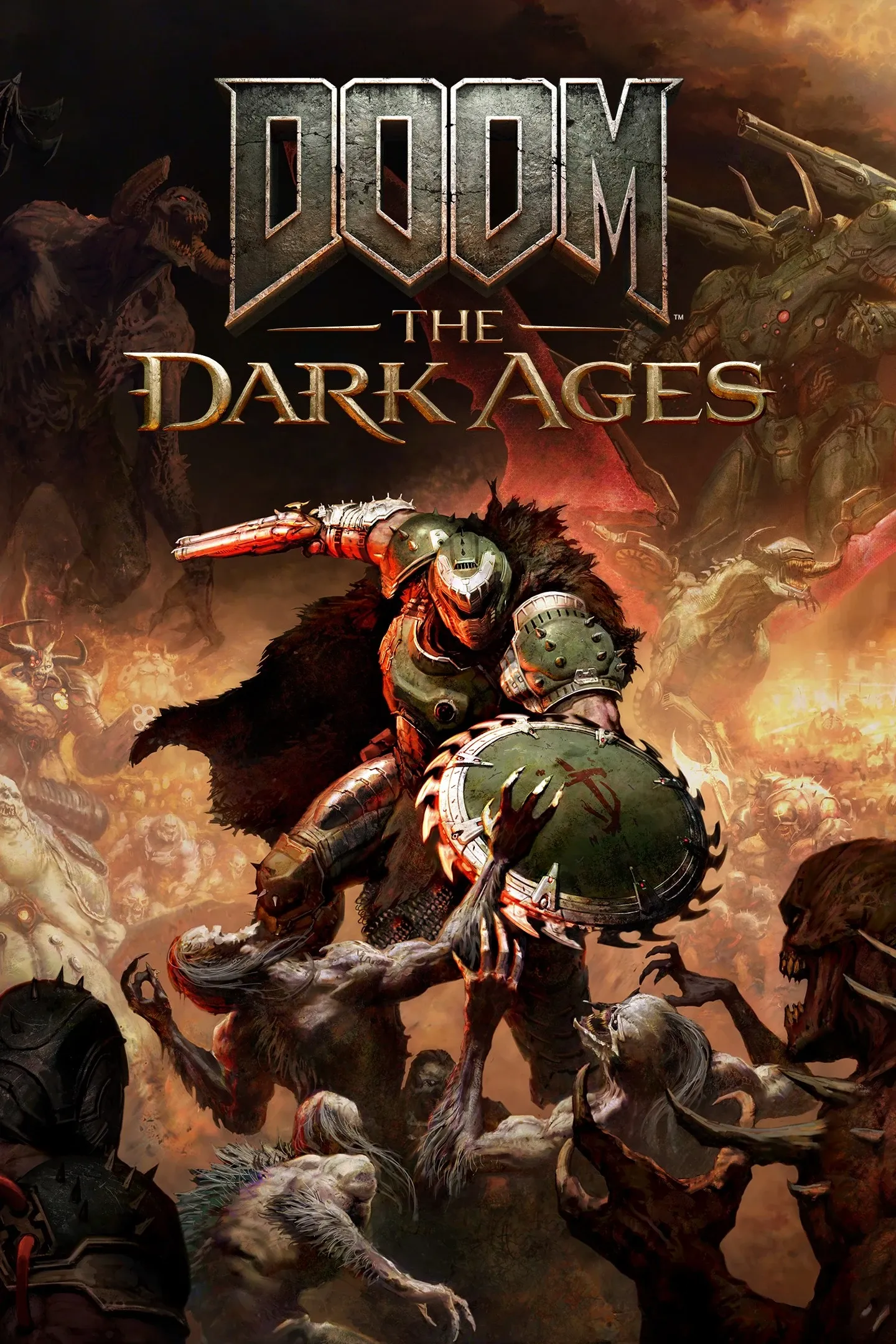
Doom: The Dark Ages follows that exact path with little to no modification. The medieval aesthetic is mostly flavor dressing for the same brutal gameplay loop, that’s fine, I suppose. You’re not wandering around with swords and maces pretending this is some fantasy RPG. This is still Doom. The castles and dragons are basically heavy metal album cover art wrapped around a shotgun. And when it’s rolling, it works.
The combat is smooth and polished. Every weapon has it's own perks behind it. Enemies explode into gore-showers exactly how you want them to. Movement feels snappy without becoming exhausting. Like the previous modern entries, the game understands momentum.
What helps keep things engaging are the optional exploration systems. Hidden keys, codex entries, upgrade materials, secret paths, monks tucked into bizarre corners of the map, all of it rewards players willing to poke around. Some secrets are obvious but require surprisingly clever puzzle solving to actually reach. That works well because the game never forces completionism on you. You can barrel through levels like an angry wrecking ball or slow down and scour every inch for upgrades. Both playstyles feel valid.
Visually, the game is stunning. id Software continues to be technical pioneers. The lighting is muddy and oppressive with environments that feel like a painting come to life. Giant war-torn battlefields, hellscapes, gothic architecture, and massive demon designs all shine. The sound design also delivers exactly what you want from Doom: guttural monster noises, thunderous weapons, shrieking projectiles, and a soundtrack built to make your neighbors nervous.
Still, something feels missing.
The earlier modern Doom games had a sharper audio identity. Certain enemies or weapon sounds instantly burned themselves into your brain. Here, everything sounds good, but not iconic. It’s a small complaint, but in a franchise built on sensory overload, those details matter.
The bigger issue is the story.
Ever since Doom 3, the franchise has desperately wanted lore to matter. Ancient prophecies, cosmic wars, demonic bloodlines, chosen one mythology, reality-ending stakes. The problem is none of it is remotely interesting. It feels like somebody shoved Clive Barker concepts into a blender. I never once cared what was happening narratively in The Dark Ages. The cutscenes blur together into fantasy nonsense while you impatiently wait to get control back.
Eventually, even the gameplay itself starts wearing thin.
Around the halfway point, repetition becomes unavoidable. New enemy types and weapons help temporarily, but structurally the game rarely evolves. The dragon riding sections are supposed to break up the pacing, yet they become some of the most tedious parts after the novelty wears off. Same with the giant mech sequences. That’s the core problem with The Dark Ages. It’s fun almost constantly, but it rarely wows you.
The final battles summarize the entire experience perfectly. Fighting waves of giant enemies in a kaiju mech sounds incredible on paper and initially feels awesome, but it drags on too long. The last confrontation with Ahzrak and The Witch at least adds a little chaos and forces more movement, but even then it still boils down to the same combat rhythms you’ve been performing for twenty-plus chapters.
None of this makes the game bad. Doom: The Dark Ages is polished, bloody, stylish fun. It understands exactly what kind of game it wants to be and executes that vision extremely well. But it also feels trapped by its own formula. The modern Doom games have become so mechanically confident but they’ve stopped evolving in meaningful ways.
It’s the gaming equivalent of fast food. It’ll hit the spot. But it'll leave you feeling unsatisfied.
Same desk


-1.jpeg)