Staff review
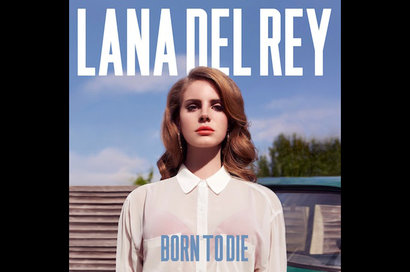
Lana Del Rey: Born To Die
9.5
Staff write-up
The Rev
Born to Die isn’t an album I expected to love, but it’s one I can’t deny. As a listener raised on punk music, Lana Del Rey’s cinematic baroque pop should feel distant. Instead, it feels immersive, vivid, and strangely intimate. This is pop music as mood, myth, and self-destruction, wrapped in glamour and melancholy.
The album thrives on contrast. Confidence and insecurity, triumph and collapse, romance and rot all coexist here without clean resolution. Del Rey doesn’t sanitize her characters or her world, she lets the grime show beneath the beauty. That tension is what gives the record its staying power.
While less refined than her later releases, Born to Die benefits from its rawness. It captures a moment in time where ambition outweighed restraint, and the result is an album that still feels bold, cinematic, and deeply felt over a decade later.
In Depth Analysis
I’m 40, a straight male, and I’ve been listening to punk since fourth grade…and I love this album.
I’m normally not big on female lead vocals. Female backing vocals? Absolutely my jam. But outside of bands like The Distillers or The Interrupters, it’s usually not my lane. Born to Die bulldozed that bias. Just baroque pop radio perfection.
The album opens with “Born to Die,” kicking off with a hip-hop beat before drifting into swooning whispers and a nearly spoken intro that tells you exactly what kind of ride you’re in for. It’s a swelling, triumphant display of baroque baritone bravado. Haunting, powerful, whimsical. Buckle up.
“Off to the Races” could do without the over-sugary vocals, but everything around them works. The track feels like watching a Jessica Rabbit performance in some divey, animated back-alley toon bar. It’s sleazy, theatrical, and self-aware in a way that keeps it compelling.
“Blue Jeans” is a dirty love song you can feel the grime on. It crawls along until that almost spiritual chorus kicks in and lifts it out of the gutter. There’s a James Dean name drop, and honestly, this entire aesthetic could just be called the “Dean Style.” It fits. All style and debonair cool.
I honestly can’t remember another medium that makes scenes play out this vividly in my head. Maybe Book of the New Sun, but that’s more like a fever dream than a narrative you can live inside. Born to Die feels tangible.
“Video Games” reminds me of “Pickup Truck” by Carrie Underwood. Obviously they’re on opposite ends of the spectrum, but they share that same energy. County-trash couple problems, just filtered through completely different worlds. This is the ballad of the album, and it earns that spot. But it feels like a tailor made-m-for-the-masses song.
“Diet Mountain Dew” feels like the safest, most radio-friendly track here. The intro doesn’t work, the verses are better, and the hip-flicking beat carries it into the chorus. It’s fine. No new themes, no new highs. A restrained moment on an otherwise bold album.
“National Anthem” follows with a booming chorus that pulls back into restraint, a push-and-pull that keeps the track engaging instead of overwhelming.
“Dark Paradise” is enchanting. Lana’s gruff crooning reverberates effortlessly from verse to chorus, locking you into its hypnotic rhythm. “Radio” has one of the album’s strongest openings, channeling a diva-era lounge singer before snapping into modern pop. It’s old-school glamour colliding with contemporary sheen.
“Carmen” is one of the more haunting tracks, touching on addiction and trust. The protagonist’s duality mirrors the pitch and tempo shifts heard throughout the album, glamour on the surface, mess underneath.
“Million Dollar Man” feels like a strut (or a walk of shame) through a bright, grimy alley. The vocals sound triumphant, but the lyrics are soaked in collapse and regret. That contradiction is what makes it hit.
“Summertime Sadness” rolls in dreamy and atmospheric. Lyrically, this is where the album digs deepest, channeling a Romeo and Juliet kind of doomed romance. It floats more than it drives, and that’s exactly what it needs to do.
“This Is What Makes Us Girls” feels autobiographical, capturing youthful rebellion with surprising authenticity. The “mean girls” interlude shows off Del Rey’s range, and the violin outro lands like a reminder that youth fades and relationships drift whether you’re ready or not.
“Without You” might be the saddest track on the album. The constant need for reassurance exposes the insecurity beneath all the glamour, a starlet still asking if she’s enough.
“Lolita” is the album’s low point. The chorus is annoying, the vocal modulation is too high-pitched, and it never quite justifies itself.
“Lucky Ones” closes the album with somber hope. It feels like a Beauty and the Beast-style declaration sung into the streets. A fitting, if tamer-than-expected, finale to a journey built on excess, longing, and self-mythologizing.
Born to Die is less mature than Lana Del Rey’s later work, but that immaturity fits the narrative and the moment in her life it captures. It’s messy, cinematic, indulgent, and unapologetic, and that’s exactly why it works.
Same vibe
Related Revs
.jpeg)
Same desk
-1.jpeg)