Staff review
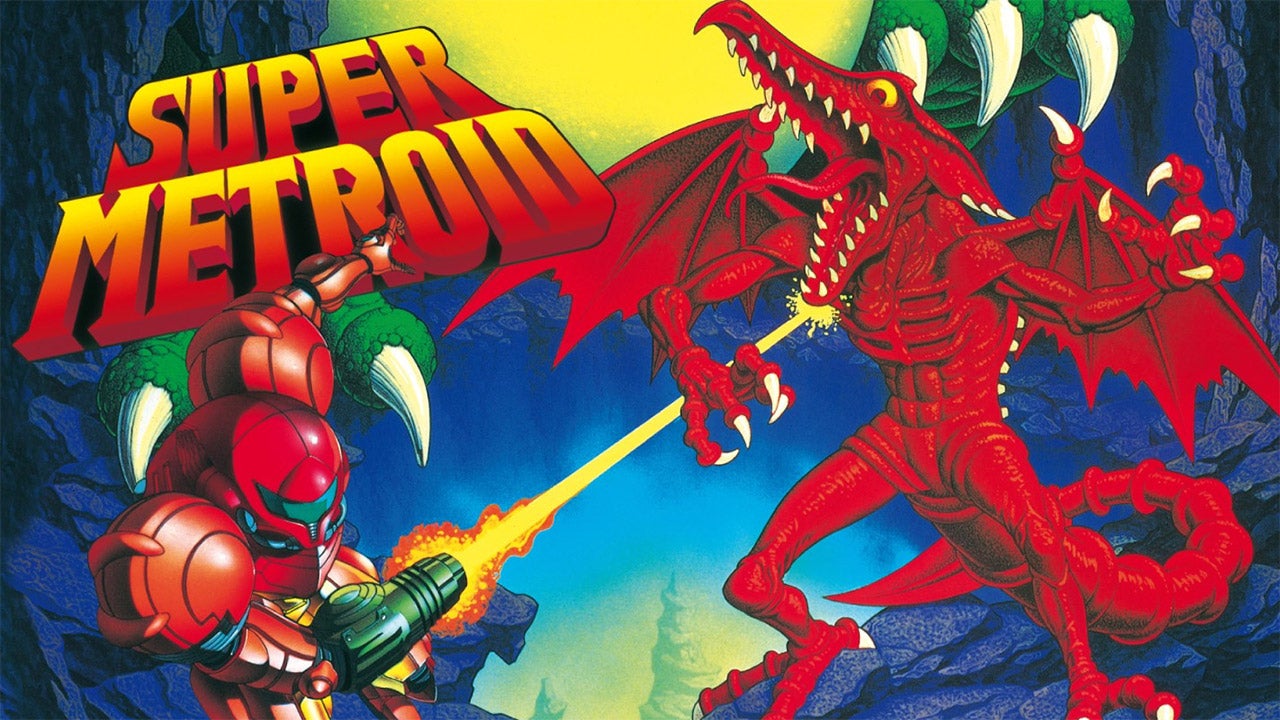
Super Metroid
9
Staff write-up
The Rev
Why is Metroid the forgotten pillar of gaming? Samus is iconic but never comes up in the debate about the best representatives of the console wars. Mario, Sonic, Lara Croft, Link. Never Samus. Despite the Metroid series being one of the most consistent franchises in gaming history. Electronic Gaming Monthly even named Super Metroid the best game of all time in 2003.
It's also one of the most brutal in its philosophy. You're here. Figure it out. And somehow you do. You explore, you upgrade, you blast your way through, all with minimal hand-holding or story. You're set free and expected to find your own way. The best part? It works.
Case in point, I sat through a quarter of Super Metroid fully intending to play it for the first time, never having played it as a kid or discovering it as an adult, genuinely thinking "how have I never played this before?" Then I found the ice beam and it clicked. I had played this before. Should I stop? Nope. I finished it again and loved every minute. That's what kind of game this is. It's so good it sneaks past your own memory.
Samus was the first strong female protagonist in video games, and much like Ripley, it isn't demanded or announced. It's just presented as fact. She never speaks. There's no romance. Just straight, unrelenting capability for roughly seven hours.
The control and upgrade system are so seamless it borders on witchcraft. Hit a wall? Find the upgrade. Lost? Check your map for the dark areas you haven't visited yet. It requires patience and memory. But the reward when you finally break through is genuine and earned.
There are even skills only the best players will ever master, the super jump (is that the right term?) and wall jump, but they're either optional or so rare that when you finally pull one off, the sense of accomplishment is real. Not the EA sense of accomplishment. Actual pride.
The level design follows the original Metroid's blueprint but refines it without abandoning it. The one valid criticism is that in this one, some hidden tunnels would be nearly impossible to find without a guide. But the original already taught you the rule, bomb absolutely everything. Super Metroid requires that same obsessive approach to progress the main story, which is either a design flaw or a design choice depending on your patience. You can waste hours and accomplish nothing. It builds character, as the old heads say. It's part of the experience.
The music was composed by Kenji Yamamoto and Minako Hamano, who pushed the SNES sound hardware to its limits, layering in female chorus vocals to create an atmosphere the hardware had no business producing. Each biome has its own visual and audio identity. The score creates atmosphere effortlessly, doing emotional work the sparse storytelling never needs to spell out.
The ending divides people and that's fine. You rescue a baby Metroid. It's over in seconds. It returns hours later like a loyal companion and sacrifices itself to give you one last shot at Mother Brain. Tragic, simple, and nonchalant in exactly the right way. Not a sixty-minute Hideo-cinematic. It happens. You feel it. You move on. And you appreciate it or you don't.
You can't deny what Metroid has given modern gaming. It's half responsible for one of the biggest genres in existence, Metroidvanias, yet it remains underappreciated in the broader conversation. That's not fair. Because Super Metroid is nearly perfect and gave us modern masterpieces like Dead Cells and Hollow Knight. If you haven't played it, you owe it to yourself as a gamer. If you have, you already know.
Same vibe
Related Revs
.jpeg)
Same desk


-1.jpeg)