Staff review
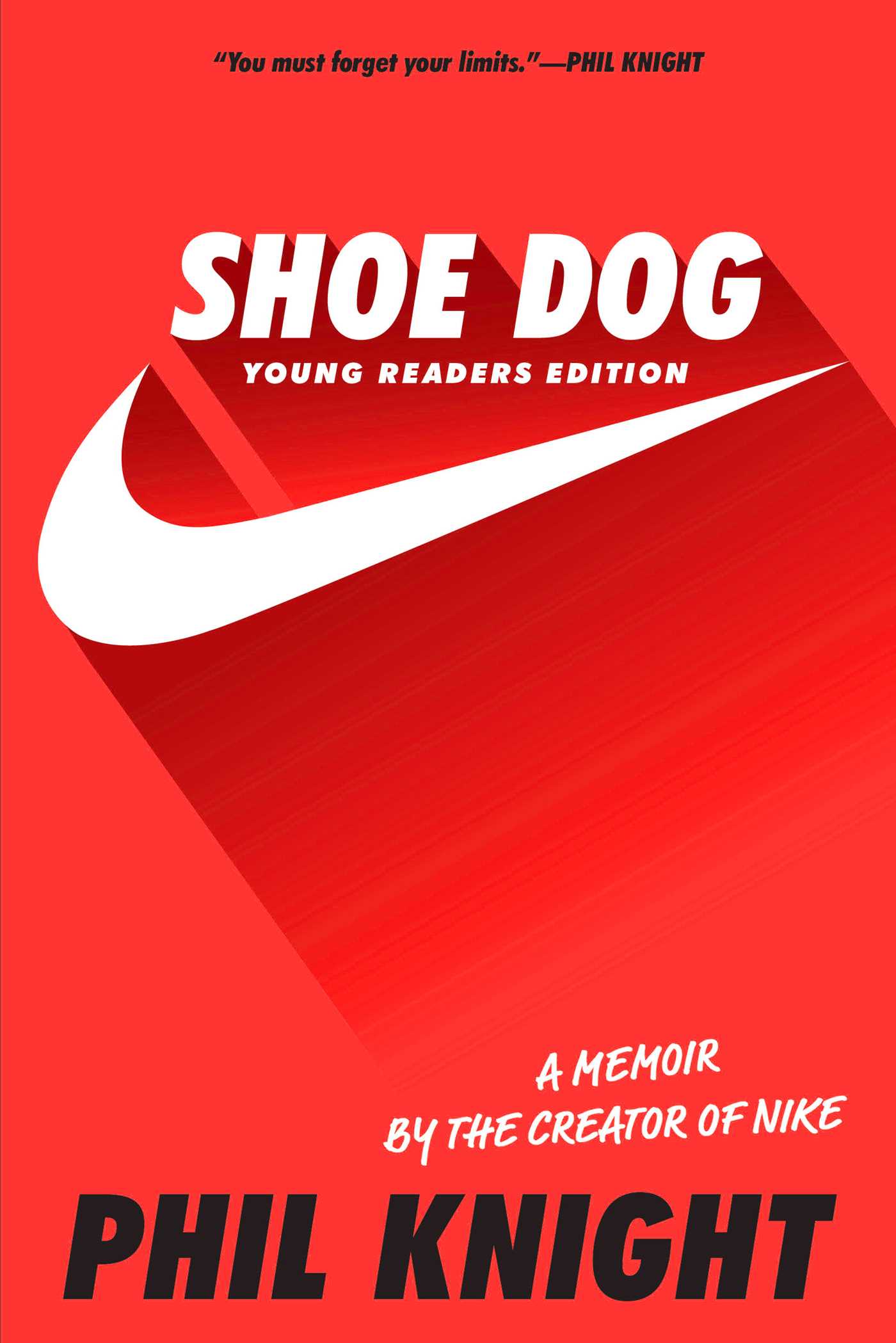
Shoe Dog
8
Staff write-up
The Rev
Shoe Dog is an interesting read, the relative rags to riches story of Nike's founder and the trials and tribulations along the way. But it's written by the billionaire responsible, which means you're reading it with at least one grain of salt.
Knight's tone is self-deprecating, everyman, even likable and humble. But here's the thing, the book was ghostwritten by J.R. Moehringer, a Pulitzer Prize-winning author. So you have to question, whose voice are you actually reading? How authentic is the humility when a professional is being paid to make it sound authentic? Only those who know Knight personally can say for sure. But the question is worth sitting with every time the prose feels a little too perfectly self-aware.
It's a genuinely interesting look into the past, a time that seems almost incomprehensibly simpler compared to the tech bro establishment of today. Knight borrowed $50 from his father, drove around selling shoes out of the trunk of his car, and built one of the most recognizable brands in human history largely through a combination of dumb luck, grit, and an almost delusional refusal to quit (according to him). That story is compelling regardless of who's polishing it.
But it's a one-sided retrospective, and the gaps are as interesting as what's on the page. Knight paints himself in a positive if flawed light. There's very little cutthroat behavior and more stumbling-forward determination than anything calculated or ruthless. Which is where the real fun starts, because the historical record doesn't always agree.
The split with his original Japanese supplier Onitsuka is framed in the book as a scrappy battle for independence and control. What the book skips is that Nike employees were caught harvesting internal competitor documents during the dispute. Knight calls it scrappy. The court record calls it something else. That's not necessarily a dealbreaker as a narrative, but it does clarify what kind of memoir this is, the kind where the author has editorial control over which parts of scrappy make the final cut.
The Carolyn Davidson situation is the most revealing section of the entire book precisely because of how matter-of-fact it is. She designed the Swoosh. She was paid $35. They didn't love it but used it anyway. End of story. What the book glosses over entirely is that Knight later presented her with a diamond-encrusted swoosh ring and 500 shares of Nike stock, reportedly worth around one million dollars at the time. That's a meaningful amends. But omitting it while also omitting the original ethical questions around a $35 payment for the most recognizable commercial symbol in modern history is a choice. Knight's book manages to dodge both the controversy and the resolution simultaneously, which is a neat, if not unfair, tactic.
The book also ends precisely at the precipice of success, which means the entire sweatshop era, the labor controversies, the overseas manufacturing conditions that defined Nike's darkest public chapter, is simply not included. You close the book feeling good about Phil Knight because Phil Knight decided where the story ends.
And yet. The simpler time dynamic hits differently the further you get from it. This is the history of a company built by people who figured things out as they went, who were perpetually broke and perpetually terrified and kept going anyway. Innovation by necessity rather than algorithm. Grit and moxie when there was genuinely no other option. Reading it now, in an era where brands are assembled by committee and personality-tested before launch, there's something genuinely moving about the chaos underneath the mythology.
Shoe Dog is a surface scratcher, and it's rose-colored. It's also well-written, propulsive, and occasionally moving in ways you don't expect from a business memoir. It's the history of a monolith of a man and a brand, told entirely on that man's terms. Read it that way and it's a great read. Just keep that grain of salt handy throughout.
Same vibe
Related Revs
-1.jpeg)
Same desk
-1.jpeg)