Staff review
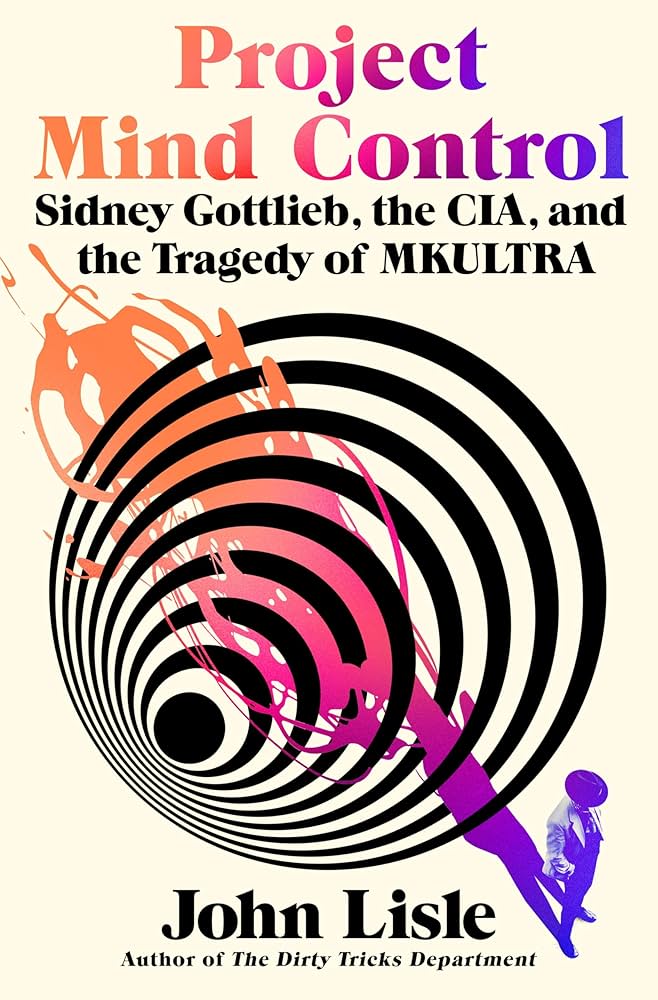
John Lisle: Project Mind Control

5.5
Staff write-up
The Rev
MKULTRA is one of those subjects that almost feels too insane to be real. Secret CIA experiments involving LSD, hypnosis, sensory deprivation, psychological torture, and unwitting civilians sounds less like documented history and more like discarded plotlines from paranoid 70s thrillers. Yet much of it actually happened, which is what makes the topic fascinating.
In Project Mind Control, John Lisle attempts to cut through decades of sensationalism and focus on the documented reality behind the government’s infamous experimentation programs. Pulling from testimony, interviews, declassified files, and investigative reporting, Lisle traces the origins of MKULTRA back through earlier operations like Project Artichoke, showing how Cold War paranoia pushed American intelligence agencies into increasingly unethical territory.
Lisle clearly wants to separate fact from folklore. Rather than leaning into flashy conspiracy bait, he approaches the material more like a historian cataloging institutional failure. That means readers get a grounded look at how these programs evolved through fear of Soviet brainwashing, post-war intelligence competition, and the obsession with finding ways to manipulate human behavior. Whether it was hypnosis, drug cocktails, electroshock, sleep deprivation, or psychological conditioning, the sheer willingness to test on vulnerable people remains horrifying.
Some of the real history is disturbing enough without embellishment. The problem is that the restraint sometimes works against the book. By now, many readers coming into an MKULTRA book already know the broad strokes: CIA safehouses, LSD experiments, forced seizures, sensory overload, lobotomization attempts, and the destruction of evidence that followed. Those stories still land because they reveal a government operating without meaningful oversight, treating human beings like disposable lab rats. But whenever the narrative starts brushing against the stranger or murkier corners of the subject, Lisle tends to pull back almost immediately.
That choice is understandable academically, but it also makes the book feel incomplete. There are moments where it feels like the author is so concerned with avoiding speculation that the material loses tension. Entire sections get bogged down in individual bureaucrats, organizational reshuffling, and procedural details while some of the more culturally fascinating angles barely get touched. The connections to figures like Charles Manson, the use of magicians and illusionists in psychological operations, or the broader impact these experiments had on public distrust all feel like they deserved more room to breathe. Instead, the book often reads more like a research paper than a descent into one of the darkest intelligence scandals in American history.
That dryness becomes more noticeable because the subject matter itself is inherently gripping. You keep waiting for the book to really sink its teeth into the paranoia and moral horror of it all, but it mostly keeps things at arm’s length. Compared to other books covering MKULTRA and Cold War experimentation, this one feels safer and more clinical.
Ironically, the most frustrating aspect may be the ending.
After spending the entire book documenting genuine government deception and unethical experimentation, Lisle suddenly becomes dismissive toward other controversial intelligence-related conspiracies and coverups. Whether intentional or not.
If someone is completely new to MKULTRA, Project Mind Control works reasonably well as an accessible entry point. It’s researched carefully, avoids outright sensationalism, and gives readers a factual foundation before they dive into deeper material. But for people already familiar with the topic, it may feel too restrained and surface level to leave much of a lasting impression.
Overall, this is a competent but somewhat dry examination of one of the most disturbing intelligence programs ever uncovered. If anything, the book works best as a gateway drug into further reading, because the real rabbit hole goes much deeper than Lisle seems comfortable exploring.
Same vibe
Related Revs
-1.jpeg)

.jpeg)

Same desk
-1.jpeg)